 catadoption_pune
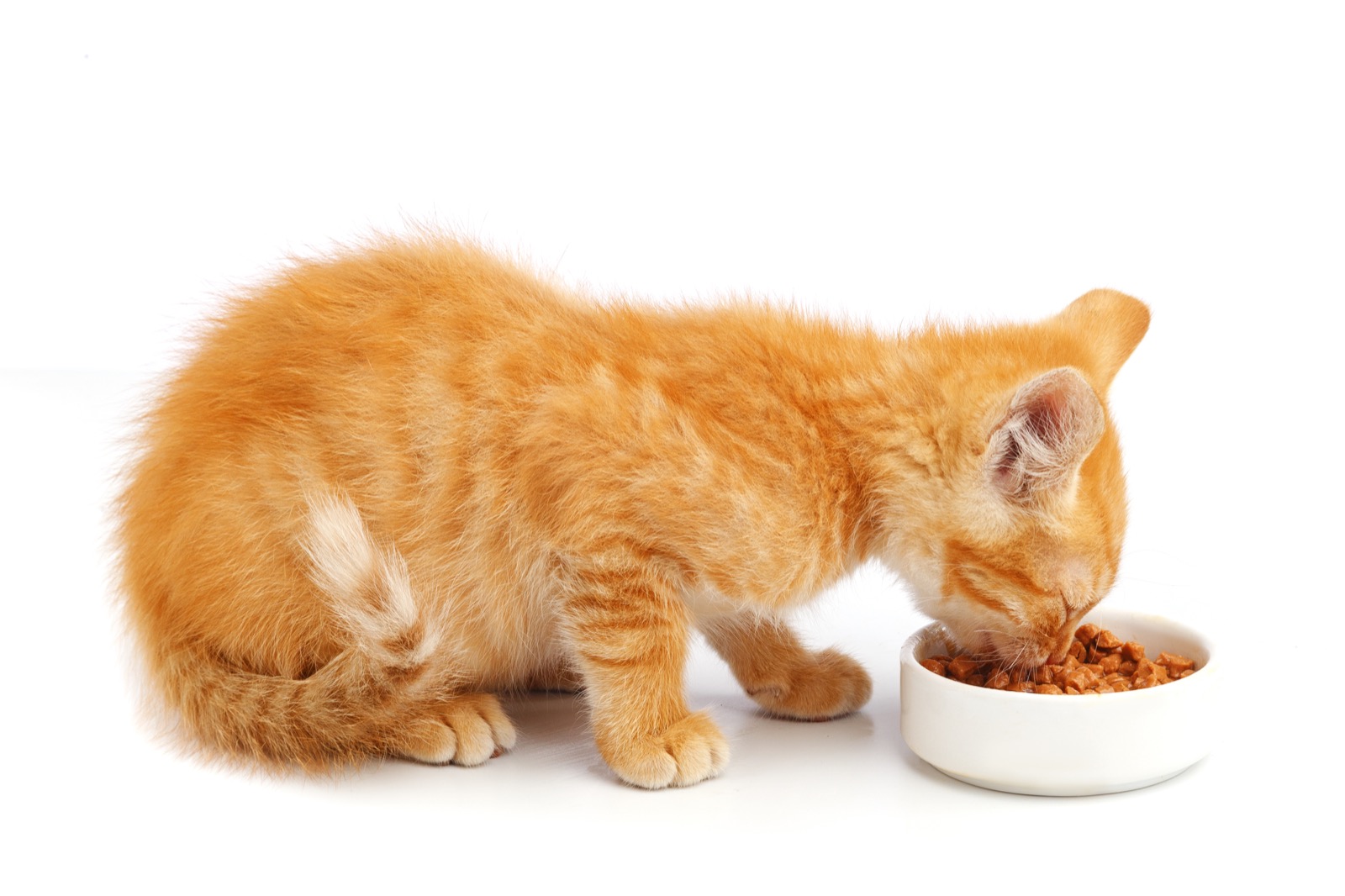
Short version: if a kitten with open eyes has landed with you and you have no time to learn cat nutrition tonight, buy a kitten wet-food pouch (the pack will say kitten, or 2–12 months), offer it three or four times a day with a bowl of water beside it, and read the rest of this later. A pregnant or nursing street cat gets the same food, and as much of it as she wants. A kitten whose eyes are still closed is a different problem, and the last section is for you. That's the whole answer. The rest is why, and what to buy when you have a minute.
Why "just give it some milk and rice" goes wrong
Most of Pune feeds its own cats home food, and that is not the problem. The problem is the first two weeks of a rescue, when nobody has time to learn what a cat's body needs and the animal is at its most fragile. Two things a home meal can miss, and one thing that is simply dangerous:
Taurine. Cats can't make enough of it themselves; it comes from meat. A kitten short of it for weeks can end up with heart damage and eye damage that doesn't show until later. Packet kitten food is made to have it. Boiled rice with a spoon of dal does not.
Enough food in a tiny stomach. A small kitten eats little and often. Kitten formulas are denser than adult food, which is why "adult cat food is the same thing, no?" is one of the most common things we correct in DMs. It isn't the same thing, for the first few months.
Cow's milk. Most cats can't digest it well. In a kitten it means loose motions, and loose motions in a small kitten dehydrate it fast. Water, always, in a shallow bowl. Milk, no: not the packet milk, not the doodhwala's, not diluted.
The bowl. Wet food dries hard and turns in Pune heat within hours, so the food bowl is washed every day, not rinsed and reused. Whatever dishwash is already in your kitchen is fine, rinsed well so nothing is left for a small tongue to find. I use Beco's plant-based dishwash on the cats' bowls because it leaves no residue and I don't have to rinse twice.
The affordable pick, and why it is a fair one
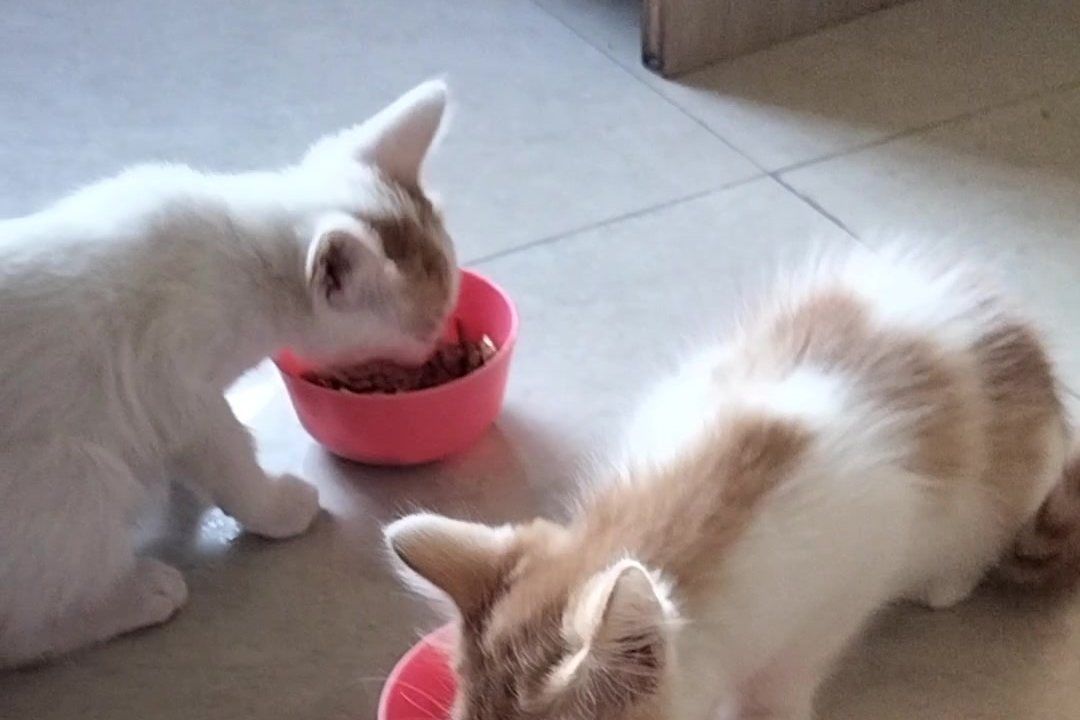
Whiskas kitten pouches (the 2–12 months ones, chicken in gravy or tuna in jelly, 80 g each) are in every second pet shop and on every grocery app. They are not what a nutrition forum will tell you to buy. They are what a rescuer with a kitten on a Tuesday night can buy, and they are a complete kitten food, taurine included. I say this honestly to cost-conscious people all the time: for a stray kitten that has just lost its mother, a complete packet food for the first weeks is the safe default while you sort everything else out. Nobody needs to feel bad about it.
What people complain about, also honestly: some kittens get loose stools when switched suddenly. It is real. Mix the first two or three days with whatever the kitten was eating before, if anything.
Dry beside wet, once the kitten is eating well. A bag of Whiskas kitten dry food (the 2–12 months one, about a kilo) stretches the pouches: a pouch a day plus dry left out is how most homes here actually feed a growing kitten, and the dry keeps in a sealed dabba for weeks. Boiled chicken or egg does the same stretching job at home; see the last section.
Under two months? The pouch says 2 months+ because a younger kitten is still weaning. From about four weeks you can mash a little pouch food with warm water into a soft paste and offer it on a saucer or a fingertip; the kitten decides how much. Before four weeks, see the last section.
If you can spend more
Royal Canin Mother & Babycat (the 1.2 kg dry bag is the one I buy) is made for exactly this situation: pregnant and nursing cats, and kittens from about one to four months. After four months the plain Royal Canin Kitten takes over. Most vets here will name it if you ask, and it costs several times more per meal than the pouch above. If money isn't the constraint, it is a sound choice. If it is, the Whiskas pouch is not a compromise you need to apologise for.
Home food, beside both. Once the kitten is past about three months and eating well, home food is fine for most cats, and it is what most of Pune does anyway. Boiled chicken or a boiled egg with a little rice. No onion, no garlic, no masala, no salt. Onion and garlic damage a cat's blood even when cooked, and there is no safe amount. Fish is fine, boned. Keep something with taurine in it, which in practice means meat, egg or fish, not vegetables. One pouch a day alongside home food is a cheap way to cover what the kitchen misses.
The pregnant or nursing cat on your balcony ⛔
She is eating for a litter. Feed her kitten food, not adult food, from the day you notice she is pregnant until the kittens are weaned, and let her eat as much as she wants; in the last weeks of pregnancy and the first month of nursing, vets say to just keep the bowl full. A quiet box in a corner with an old towel is the other thing she needs. Don't move her once she has chosen her spot.
No product links in this section, on purpose. A pregnant stray who has moved in is a distress case, and we don't earn on those.
Eyes closed, still wobbling: neonates ⛔
If the eyes are closed or barely open, the kitten is under about two weeks old and none of the above applies. Wet food won't help and can hurt. A neonate needs kitten milk replacer (a vet or a big pet shop will have it; never cow's milk), a small feeding syringe or bottle, warmth, and feeding every two to three hours, including at night, for the first two weeks. It is a full-time job and most people can't do it alongside everything else. That's not a failing; it's just true.
First, look for the mother. If she is anywhere nearby, put the kitten back and watch from a distance. A mother cat is better at this than any of us. If there is no mother, ask around your society; the watchman usually knows if a stray has just had kittens nearby, and a nursing mother will sometimes accept one more. This works more often than people expect. It is also what we do when you DM us: we look through our inbox for a mother cat with kittens of a similar age and try to connect the two. We'll post about the babies when they are the right age to adopt.
No links here, ever. For a neonate with no mother, DM us and we will point you at the people in Pune who do this.
The two-minute checklist
☐ Kitten with open eyes: kitten wet pouch, three or four small meals a day, water beside it · ☐ Never cow's milk · ☐ Switch foods over two or three days, not in one meal · ☐ Pregnant or nursing cat: kitten food, as much as she wants · ☐ Past three months and thriving: home food is fine, no onion or garlic, keep meat or egg in it · ☐ Around two months: first vaccine, ask your vet · ☐ Closed eyes: milk replacer, warmth, every two to three hours, and DM us.
Questions? DM us.
We're @catadoption_pune on Instagram — DMs are how everything here works. If you are stressed and just want one answer: kitten wet pouch, water, small meals. Message us too; we reply when we can.