 catadoption_pune
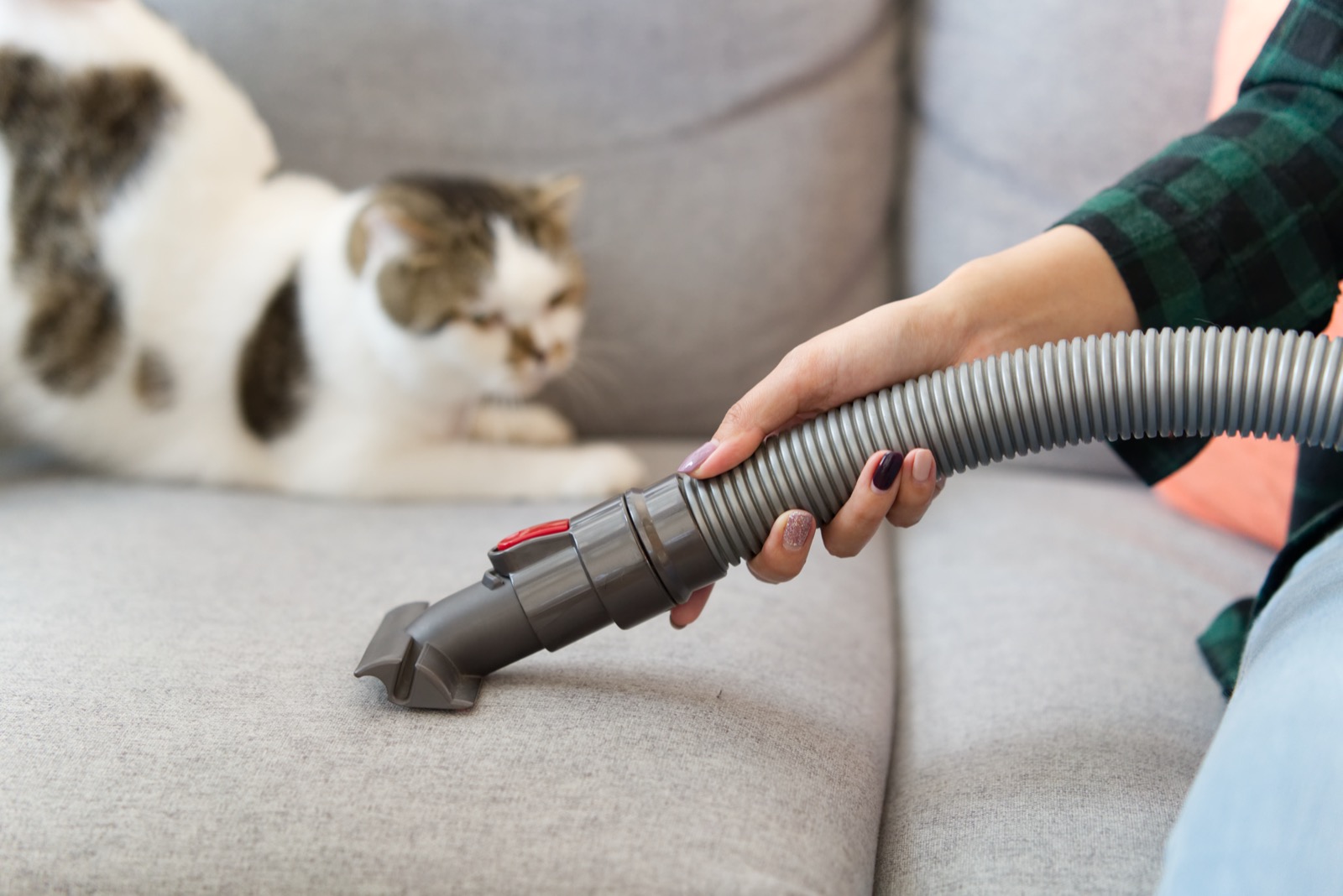
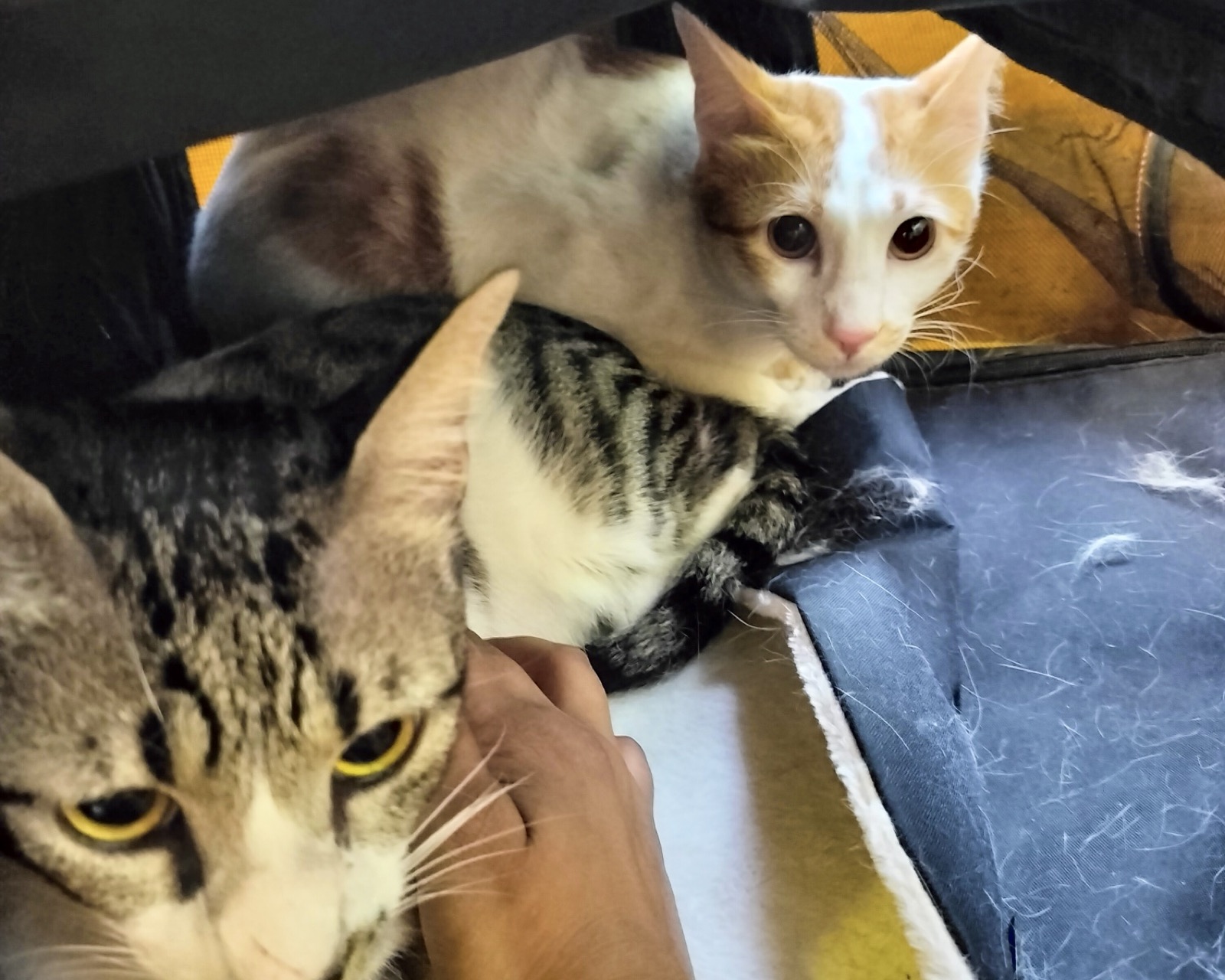
Short version: three things do almost all the work. Damp beats dry: a wet hand or a wrung-out cloth lifts hair that a dry duster only pushes around. Brush the cat, because hair that goes into a comb never reaches the bed. And clean the three places it collects (the bed and sofa, the window grooves, the kitchen crevices where food crumbs hide) on a schedule, not when you notice. Everything below is those three, in detail, with what we use and the free version of each.
First, the honest bit: it never stops
An indie cat sheds all year. It gets worse when the weather turns, the weeks before the monsoon and again when the cold comes, and a cat that is stressed, newly adopted or eating badly sheds more. So the goal is not a hair-free flat. Nobody has one. The goal is a routine short enough that you actually keep doing it, and a flat where the hair lives in two or three known places instead of everywhere.
One thing to rule out first: if the hair comes out in clumps, if there are bald patches, or if the cat is licking one spot raw, that is a vet visit, not a cleaning problem. Normal shedding is even, and the coat underneath looks fine.
Where the hair actually is, in a Pune flat
The bed and the sofa. Wherever the cat sleeps, obviously, and cats pick the one cotton bedsheet or cushion that shows it best. Dark cotton is the worst; a black kurta left on the bed for ten minutes comes back grey.
The window grooves. Our sliding aluminium window frame does not close fully, and the grooves fill with a felt of cat hair, road dust and monsoon grit. Every flat with sliding windows has this. It is the place nobody cleans because nobody looks.
The fan blades. Hair floats, the fan runs, the blades collect a furry edge and then shed it back into the room every time you switch on.
The kitchen crevices. This one matters more than the others. Cats do not eat tidily. Kibble crumbs and wet-food smears end up under the fridge, along the skirting, in the gap behind the gas cylinder. In Pune, crumbs in a crevice mean cockroaches within the week. Cat hair alone is a nuisance; cat food in a crack is an infestation.
Everywhere a treat packet can be carried. Empty treat packets turn up under the bed, inside a shoe, behind the washing machine. A cat that gets hold of one will take it somewhere private to finish the job.
The free tricks, which do most of the work
A wet hand. Wet your palm, run it over the sofa or the bedsheet in one direction, and the hair rolls up into a strip you can pick off. A damp rubber kitchen glove does the same, faster. This one trick replaces every "pet hair remover" gadget sold online.
A wrung-out cloth. For fan blades, the top of the wardrobe, the window sill: a damp microfibre or an old cotton cloth, folded, wiped in one direction. Dry dusting lifts the hair into the air and it lands on the bed again.
The broom, with a wet edge. A jhadu on a tiled floor pushes hair ahead of it and then the hair escapes at the last second. Sprinkle a little water on the floor first, or wipe the tips of the broom with a wet hand, and the hair sticks to the pile instead of flying.
Packing tape. For clothes on the way out the door. A loop of brown packing tape around your fingers, sticky side out, works as well as a lint roller and costs nothing. A lint roller itself costs very little at any stationery shop and lasts months, and honestly, after the carrier, it is the most useful thing we have bought. The regular tear-off kind is the only one that works quickly on office clothes before work.
Shake it outside. The bedsheet, the cushion covers, the cat's own blanket: a hard shake over the balcony before it goes in the wash keeps the hair out of the washing machine, where it otherwise ends up on every other garment in the load.
Brush the cat. Five minutes, two or three times a week, more in the shedding weeks. Any comb works: a plastic one from the corner shop, a steel one from a pet shop. There are lots of cheap brushes around, and every style is a new experience for the cat, so this is one place you can spoil them for very little. The one I love is a soft silicone brush with a mist spray; mine tolerate it best of everything we have tried, and the fine water mist traps the fur better. Indies have short hair, but they still need brushing if you want a nice shiny coat and less hair around the house. Most indie cats learn to like it if you start short and stop before they object. Hair in the comb is hair that never reached the bed, and it also means fewer hairballs on the floor at 3 a.m.
The two machines we actually bought, and why
You do not need a vacuum cleaner for most of the flat. The wet hand, the cloth and the broom cover the open surfaces. The vacuum earns its place in exactly the spots those cannot reach: inside the window grooves, the crevices along the kitchen skirting, under the fridge, the gap behind the gas cylinder, and the seam of the sofa where treat crumbs collect.
What I use is a small handheld one, a KENT Duster, 600 W and bagless, with a narrow crevice nozzle that fits the window groove exactly. It runs along the grooves and the skirting once a week and that is the whole job; I never vacuum a floor with it. The free version for the grooves is an old toothbrush to loosen the felt and a damp cloth wrapped on a butter knife to pull it out. It works, it just takes twenty minutes instead of two.
For the floor, a spin mop. A tiled floor with a cat on it needs mopping, not just sweeping, because the fine hair and the dust bind into a grey film in the corners. The Presto Elite spin mop is what I have, with two microfibre heads so one is always dry. A bucket and a well-wrung cotton pocha do the same job; the spin mop just means the floor is dry in five minutes instead of twenty, which matters when a cat is about to walk across it.
The cockroach rule
Feed in one place, on a tray. A steel thali or an old baking tray under the bowls catches the crumbs and the gravy, and the tray goes to the sink daily. Keep the kibble in a sealed dabba, not the open bag. Once a week, run the vacuum nozzle or a damp cloth along the skirting, under the fridge and behind the cylinder, where the crumbs go. If cockroaches have already arrived, the food source is the fix: spraying without clearing the crumbs just moves them.
The treat-packet rule
Treats live in a jar with a lid, up high. An empty packet goes into the bin with the lid on, immediately, because a cat will fish it out of an open bin and carry it off. If a packet goes missing, check under the bed, behind the washing machine and inside any shoe left on the floor. Every cat person reading this has found one somewhere stranger.
The weekly routine, on one line
☐ Brush the cat, twice this week · ☐ Wet-hand the sofa and the bed · ☐ Shake the covers outside before the wash · ☐ Vacuum or toothbrush the window grooves and the kitchen crevices · ☐ Mop, not just sweep · ☐ Wipe the fan blades once a month.
Fifteen minutes a week, and the hair stays in the places you chose for it.
Questions? DM us.
We're @catadoption_pune on Instagram — DMs are how everything here works. If your cat's shedding worries you, that is a question for a vet.